 Menu
Menu


Where were you on September 11?
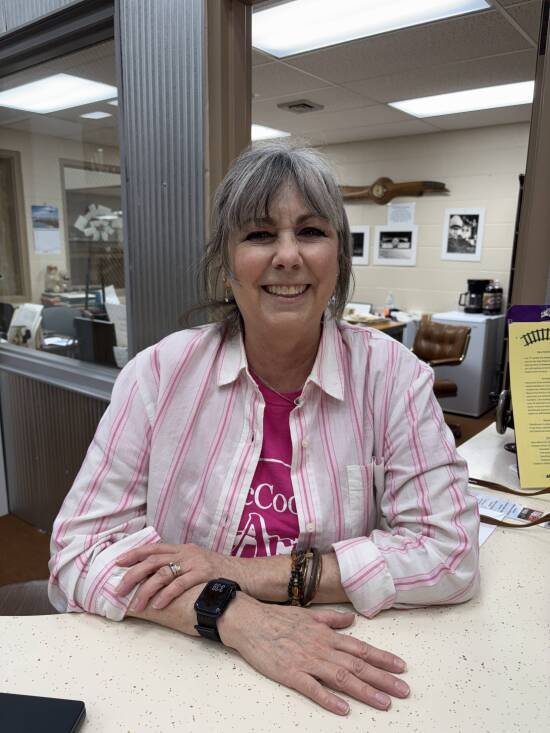
For Linda Buck, the morning of September 11, 2001, remains unforgettable. Living in Denver with her husband and two children, she had just seen them off to school when the phone rang. “It was our friend who said, ‘Oh my God, we’re being attacked. Turn on the TV now,” she recalled. Buck woke her husband, and together they watched the second plane hit live. Despite the shock, she went into work downtown, where her company had executives traveling from San Francisco whose planes were forced to land in Las Vegas. At her office, confusion reigned as contractors tried to reach customers before everyone was sent home. In the days after, security tightened around her building, which also housed ATF offices. “For the longest time, probably two, three months, that was our routine,” she said. “We could only go in one door...and we had to show our ID every time.”
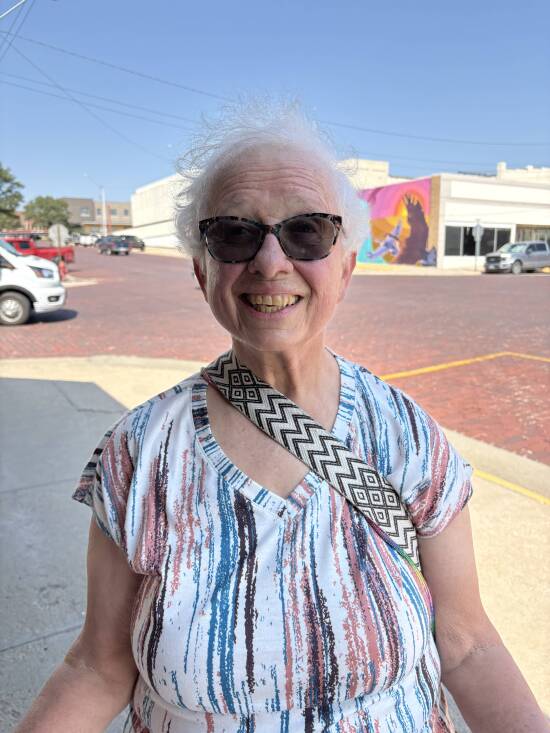
Judy Althoff still remembers where she was on September 11, 2001. At the time, she was working at a development agency and attending an Environmental Protection Agency conference in Seattle. “Everybody was looking at their computer screens and doing everything except classwork, because we were trying to figure out what was going on,” she recalled. With flights grounded nationwide, many attendees tried to rent cars, but agencies wouldn’t allow them to be taken across multiple state lines. Althoff considered herself fortunate when, by Friday, Alaska Airlines resumed limited service, allowing her to fly home. The uncertainty was unsettling, especially as she became aware of Seattle’s many military installations. “That frightened me even more,” she said. Althoff also worried for her college roommate, who was in New Jersey that day, across the river from New York City. More than two decades later, the memories remain vivid.
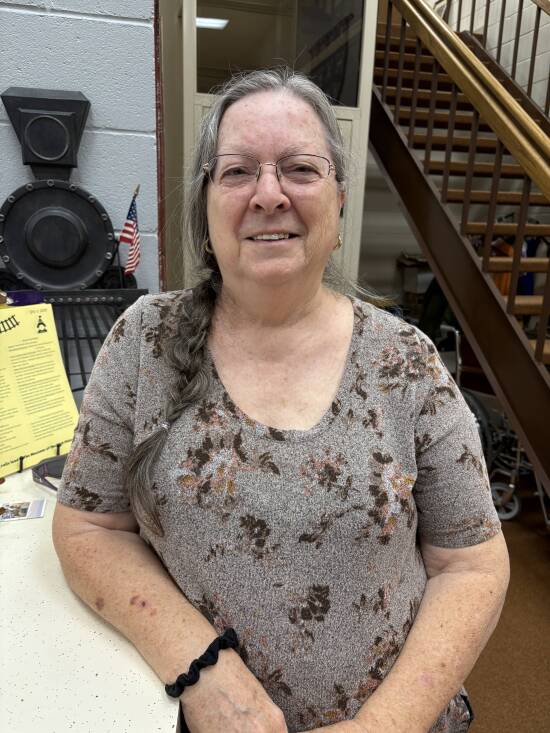
Beverly Green was at home on September 11, 2001, after dropping her children at school, when a friend ran inside and told her to turn on the television. “I worked down at the Congregational Church, and when I went down there...I unlocked the doors and turned the lights on in the sanctuary so people wanted to come in and pray. They could sure do that,” she said. Though few people stopped by, Green kept the building open for days, offering coffee and a quiet place to reflect. Like many, she was glued to news coverage at home, the constant images deeply unsettling. Her son, then a high school senior, joined the Army two years later, a decision that brought both pride and anxiety. “It just wiped us out emotionally,” she remembered. Even far from New York, Green said the attacks shook her community and changed how people related to one another.