 Menu
Menu


The Berggren Plan — Southwest Nebraska 'all-in' to boost pheasant population
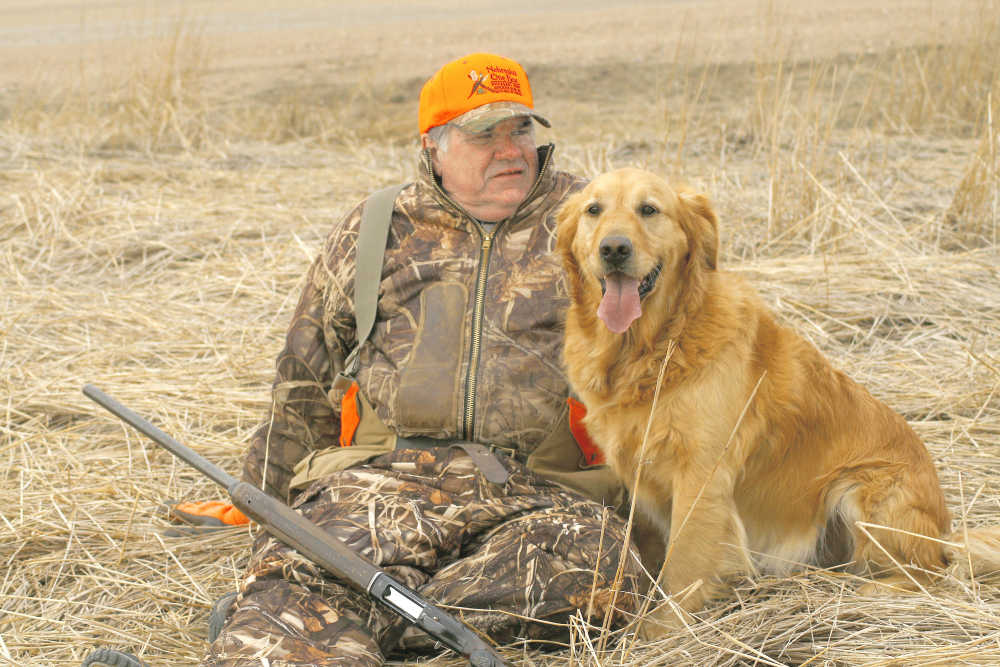
CURTIS, Neb. — The “Berggren Plan” of the Nebraska Game and Parks Commission resolves to enhance pheasant hunting in Nebraska, focusing on improving habitat and increasing hunter access as its “cornerstone activities.”
The plan includes several “priority areas,” one of which is within Southwest Nebraska. Southwest Nebraska has been a stronghold of ring-necked pheasant and bobwhite quail populations for several years, offering some of the higher bird numbers in the state and being attractive to not only local hunters, but hunters from across the state and the nation.
Predictions are for a very good hunting season in Southwest Nebraska this year.
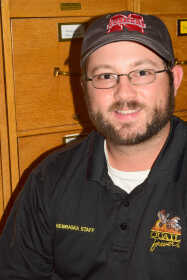
Andy Houser of Curtis, a coordinating wildlife biologist with Pheasants Forever, said recently that the Berggren Plan aims to strengthen hunting opportunities across the state, including the “priority area” of Hayes, Hitchcock, Red Willow, Perkins, and parts of Keith, Lincoln, Chase, Frontier and Dundy counties.
Houser said that creating more and improving existing pheasant habitat and opening more public hunting access will address the five-year plan’s mission: “to produce the best pheasant hunting experiences for the most people.”
The plan is named for Lynn Berggren of Broken Bow, a Game and Parks commissioner who supported wildlife conservation, habitat management and more and better opportunities for everyone to enjoy the outdoors. Berggren died of a heart attack in February 2016, in his goose-hunting blind on the Platte River near Overton.
*Bird habitat
Good habitat, including the small grains so attractive to pheasants and quail, provides the feed and cover vital to birds’ breeding, hatching and development, and ultimately, to increasing bird numbers.
Land use practices have changed since the pheasant’s peak abundance in Nebraska in the 1940s and 1950s, according to the Berggren Plan. Most farm operations no longer include small fields of grain, tall small-grain stubble and hay crops interspersed with pasture and idle ground, all of which, Houser said, provide good nesting, brood-rearing, insect production, escape from predators and winter habitats all close by each other.
Because of these changes, pheasants are no longer a “natural by-product” of our agriculture and landscape, Houser said.
However, he said, parts of Southwest Nebraska and the Nebraska Panhandle still have areas that provide good pheasant habitat, and are still providing good numbers of birds.
The Berggren Plan encourages more habitat areas that cater to the needs of pheasants, with the U. S. Department of Agriculture, Nebraska Game and Parks, NRCS, Pheasants Forever and Quail Forever and other partners providing financial incentives, cost share and technical assistance to landowners who will create and manage high-quality habitat.
* Walk-in hunting
Houser said the Berggren Plan proposes increasing access to hunting on private lands, continuing to work with landowners who already allow walk-in hunting, and approaching new participants as well.
“Not everyone knows someone who owns land they can hunt on, and access continues to be a limiting factor for our next generation of hunters,” Houser stated. Public walk-in hunting areas help to address that situation, he said. “And who doesn’t like to see youngsters hunting?” he asked.
With Nebraska being 97 percent privately-owned land, in 2009 Nebraska Game and Parks initiated the Open Fields and Waters (OFW) program to increase public access opportunities throughout the state.
OFW is a voluntary program that offers financial incentives to landowners willing to allow public walk-in access for hunting, trapping and/or fishing. Houser said that in the Southwest area in 2017, there are roughly 60,000 acres open to walk-in hunting, a 16.4 percent increase in access from 2016. Of those 60,000 acres, 27,811 acres of those acres are in high-quality CRP (Conservation Reserve Program) plantings. The remainder are in small grain fields such as wheat and milo or associated grasslands.
*Economic growth
“More birds and improved hunting opportunities naturally attract more hunters, which is good for the local economy,” Houser said. “Hunters from outside the area spend money at gas stations and at restaurants. They buy hunting licenses and hunting supplies. They stay at motels. They shop downtown. We all love those same local businesses supporting our school teams and our local events. Using ingenuity, businesses can cater to hunters,” Houser said, suggesting, as an example, that motels can provide areas for cleaning birds.
The drought that choked Southwest Nebraska in 2012 and 2013 negatively impacted our bird populations, Houser said. But weather patterns have changed, and habitat plantings and management efforts have gotten some moisture, he said. “Last year was good,” he said. “And this year is looking to be another great year for hunting. There’s lots of good habitat. It was a pretty decent nesting season and there’s lots of insect production. All the ingredients are there to be encouraging for a fall hunt,” Houser said.
Houser said that every spring, Nebraska biologists conduct “crow counts” — the “crowing” sound made by male pheasants — and “whistle counts” — the “whistle” sound made by male bobwhites — and both indicated increases in numbers going into breeding season. Area farmers have also been seeing good numbers of broods, especially quail, during harvest, he said.
Houser said that the outlook is also favorable to run across some prairie chickens while in the field. “With drought impacting habitat in adjacent states, we are seeing an influx of hunters calling looking for areas to hunt. We plan for a good, busy hunting season in the Southwest,” Houser said.
To learn more about the Berggren Plan for Pheasants or where OFW lands are available to hunt, visit www.outdoornebraska.gov